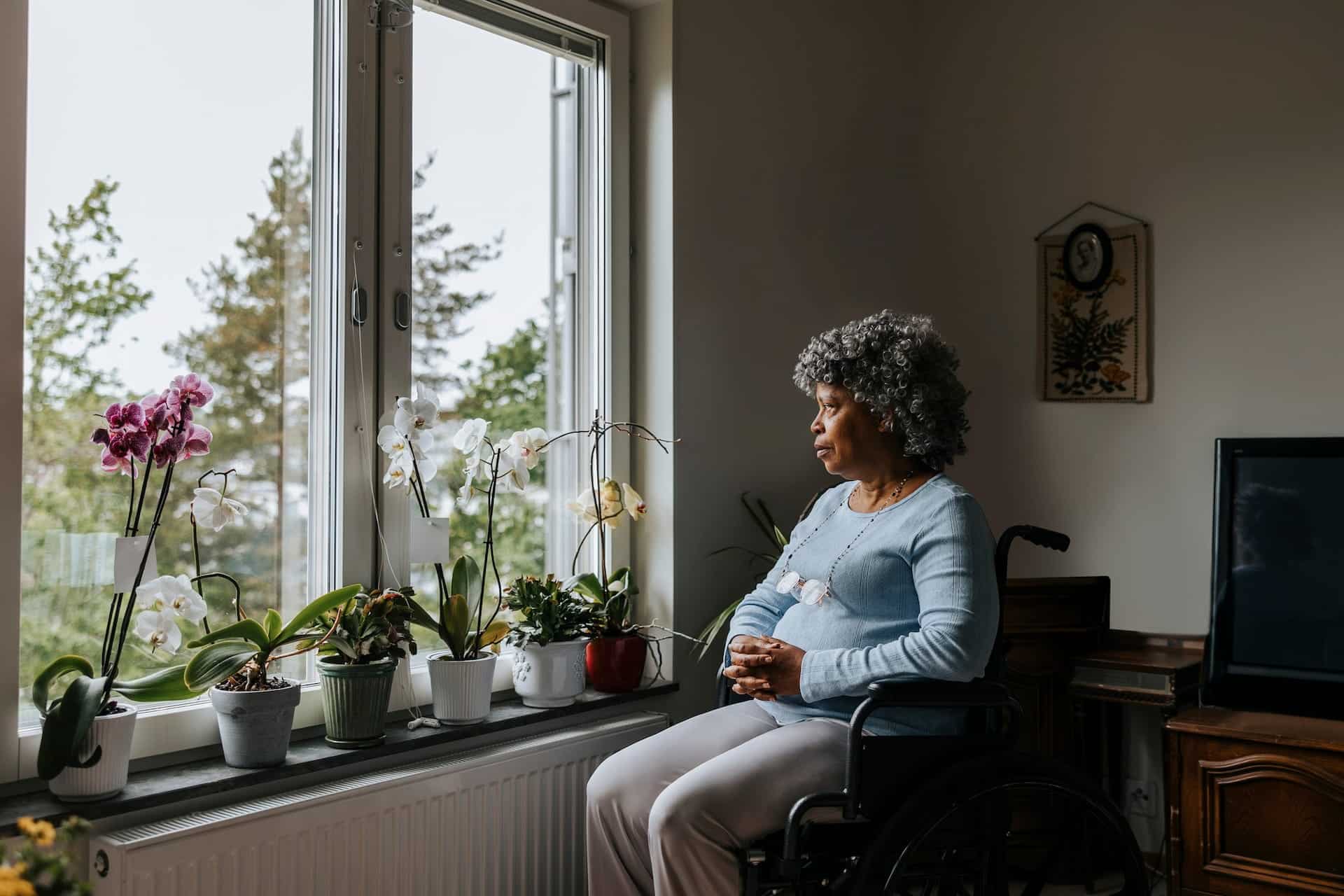
Many patients may believe that discharge or completion of inpatient rehabilitation marks the end of stroke recovery, but recovery often continues well beyond that point. A patient can survive a stroke but still struggle with work, mobility, communication, fatigue, emotional health, or daily responsibilities.
While traditional measures of recovery focus on physical and functional improvement, another important question is whether patients can resume the activities and roles that matter most to them.
The return to everyday life can look different for every stroke survivor. For Black patients, disparities in rehabilitation access, healthcare resources, and social and economic circumstances may create additional barriers to recovery. Research has identified racial and socioeconomic disparities in aspects of post-stroke rehabilitation and functional outcomes, although the factors contributing to these differences are complex.
For clinicians, looking beyond traditional measures of functional improvement can help identify how stroke-related limitations can affect a patient’s ability to navigate life after the initial event.
Getting back to regular life can look different for each patient depending on their goals.
Returning to life might mean:
For clinicians, understanding a patient’s recovery goals can help guide referrals, rehabilitation, care coordination, and long-term support around the activities that matter most to the patient.
Stroke survivors can face several challenges that persist long after the initial event.
These can include:
A patient who may appear to have improved physically during a brief follow-up visit may still struggle to resume their normal life.
Some patients may make returning to work an important recovery goal, but the journey there may not be straightforward. Depending on their job, physical limitations may make it difficult to complete their responsibilities, and cognitive, communication, or fatigue-related symptoms can interfere with work even when strength and mobility have improved.
Patients may need occupational or physical therapy, vocational rehabilitation, workplace accommodations, or a gradual return-to-work plan.
During follow-up visits, clinicians should directly ask whether a patient has returned to work, wants to return, or is having difficulty doing so. Depending on the patient’s needs, clinicians may refer patients to occupational therapy, physical therapy, speech-language pathology, vocational rehabilitation, neuropsychology, or other specialists who can help address barriers to returning to work and other daily activities.
Clinicians shouldn’t assume that retirement or unemployment means returning to work isn’t an important goal. For some survivors, employment may be central to financial stability, independence, identity, or quality of life.
As mentioned, stroke recovery can look different for every survivor. Black stroke survivors can face several unique challenges that affect not only their quality of care but also their ability to return to life.
Some of the factors that may influence long-term recovery for Black stroke survivors include:
The same clinical recovery plan may not be equally feasible for every patient. Clinicians should ask every patient what might prevent them from actually following through with the recommended treatment plan.
A stroke can greatly change a survivor’s family role and responsibilities. A patient who once provided care may suddenly need care themselves. Other family members may now handle transportation, medication management, appointments, finances, or daily activities. Caregivers may also experience physical, emotional, and financial strain as they adjust to new responsibilities.
Clinicians should ask who is directly involved in the patient’s recovery and what responsibilities the care partner has taken on. This assessment can help identify whether the survivor or caregiver needs additional resources or support.
A patient’s rehabilitation needs can change as they transition from acute care into outpatient and community settings. They may initially focus on walking or completing basic activities of daily living, and later shift toward communication, exercise, driving, work, or community participation.
At different stages of recovery, patients may need support from different members of the care team, depending on their individual needs:
Throughout recovery, clinicians should reassess the rehabilitation and care plan to see whether it still reflects the patient’s goals and priorities.
Successful recovery isn’t necessarily the absence of every residual symptom. It can mean helping patients regain independence, confidence, meaningful roles, and participation in daily life. Improving the patient’s functionality should go hand in hand with their goals for long-term recovery.
For Black stroke survivors, understanding how social, economic, and structural circumstances can affect recovery can help clinicians identify barriers that might otherwise be missed. Clinicians don’t need to create a separate definition of recovery for Black patients, but they do need to recognize that a patient’s circumstances can influence what recovery looks like and what support is needed to achieve it.
Stroke recovery shouldn’t solely be measured by what the patient can do in clinic. It should also account for whether patients can return to the activities, responsibilities, and aspects of life that matter most to them.
By subscribing, you consent to receive emails from BlackDoctor.pro You may unsubscribe at any time. Privacy Policy & Terms of Service.

Are you a healthcare professional? Register with us today!