

As debates over childhood vaccines resurface, confusion is once again rippling through communities nationwide, renewing vaccine mistrust. Under the leadership of Health and Human Services Secretary (HHS) Robert F. Kennedy Jr., the Centers for Disease Control and Prevention (CDC) has changed its guidance on the childhood vaccine schedule. Those adjustments have led major organizations, such as the American Academy of Pediatrics (AAP), to release their independent vaccine scheduling recommendations.
These changes have reignited uncertainty and vaccine mistrust for many families. Black people, in particular, are especially vulnerable, considering that they still have medical mistrust stemming from previous incidents, such as the Tuskegee Syphilis trials, and other incidents of wrongdoing in the healthcare system.
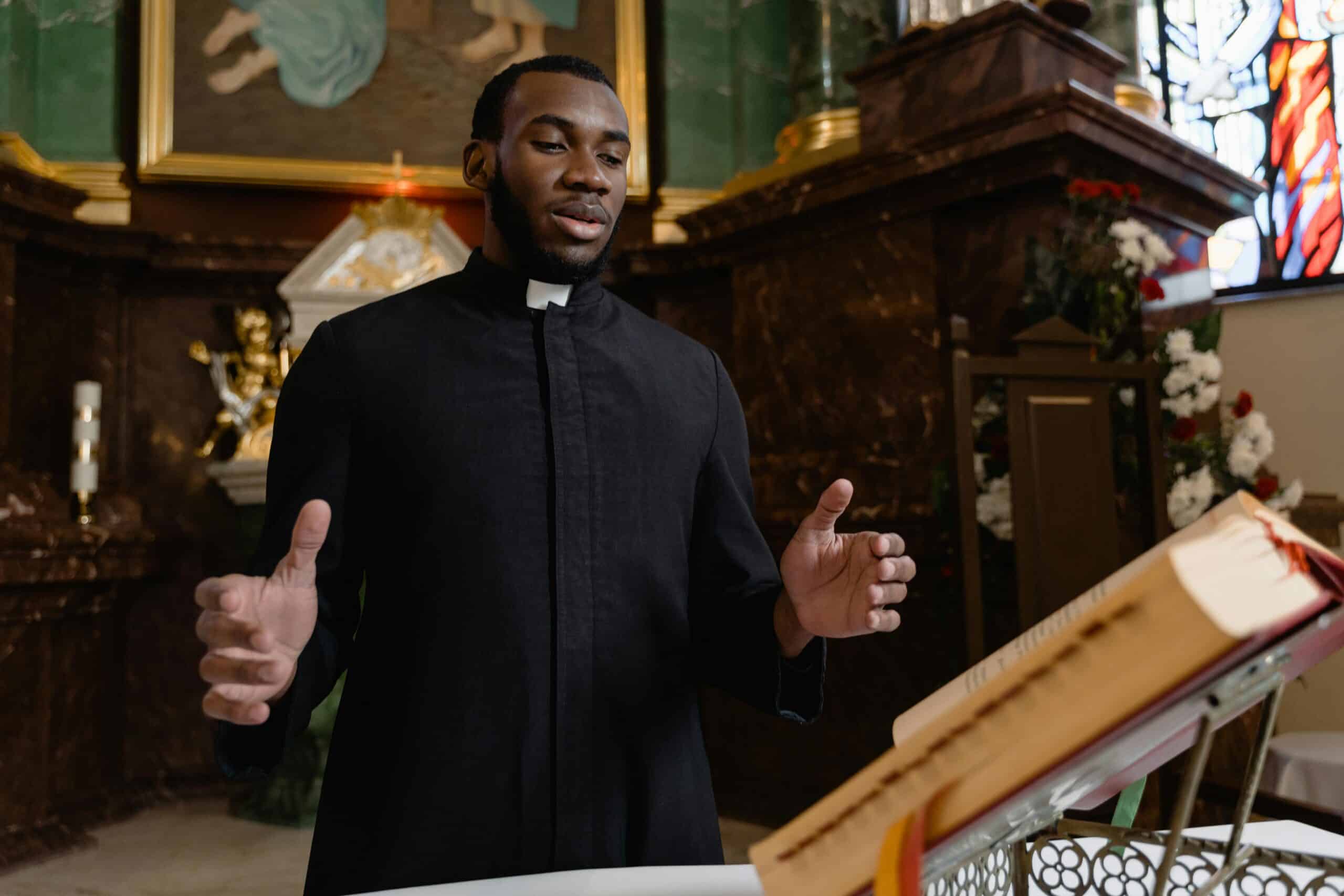
Black churches have now entered the conversation, offering their own guidance amid confusion surrounding vaccines to regain medical trust in the Black community.
A Faith-Based Response to Vaccine Misinformation
The National Black Church Initiative (NBCI), a coalition representing 150,000 churches, has stepped into the conversation. Grounded in established science, the NBCI recently released a vaccine report designed to provide clear, trusted guidance to more than 27 million members.
The 54-page report addresses current public policy debates, examines the costs of treating diseases preventable through vaccination, and evaluates claims about risks—including autism—while also explaining vaccine ingredients.
Physicians Push Back on Vaccine Claims
Joseph Webster Sr., MD, MBA, FACP, is a gastroenterologist based in Orlando, Florida, who served as an advisor on the project and plays an active role on the Health Disparity Commission. “Vaccines have been very important in the Black community in particular, and we are also most vulnerable to propaganda,” he explains.
In the past, RFK, Jr. stated that Black people have better immune systems than white people and, therefore, required a different vaccine schedule for certain conditions. His claim was disproven, but it’s been called “dangerous.”
The Real Risks Facing Black Communities
In reality, Black Americans were twice as likely to die from COVID-19 compared to white people, in part because they are disproportionately affected by underlying conditions such as hypertension and type 2 diabetes. These risks are compounded by lower rates of health insurance coverage, increasing overall vulnerability to severe illness and death.
Atlanta-based surgeon James McCoy, MD, an advisor on the NBCI’s report, says he encounters vaccine hesitancy daily and believes the confusion fueled by RFK Jr.’s rhetoric has penetrated Black communities as well as others.
“I see that we don’t engage in the healthcare system as vigorously as we should, and many of his claims are not scientifically based,” Dr. McCoy says.
Dr. McCoy emphasizes that the science around vaccines remains unchanged. “The facts don’t change,” he says. “Vaccines reduce both the severity of disease and the likelihood of serious complications. I’ve closely examined the number of Black and Hispanic individuals who remain unvaccinated and the impact that lack of vaccination has had, especially in the years since COVID.”
The Roots of Medical Distrust
The Black community has a long and justified history of medical distrust, rooted in documented mistreatment that extends well beyond the Tuskegee Syphilis Experiment. This legacy has contributed to the severe underrepresentation of Black Americans in modern clinical trials.
Using the Church to Rebuild Trust
To help bridge that gap, the NBCI provides trusted guidance to congregants, including vetting clinical trials and maintaining a centralized database, with support from a coalition of qualified physicians.
According to Dr. Webster, “Our approach is to go upstream and address the root causes of health disparities,” Webster says. “By collaborating with other organizations and using the church as a foundation, we can begin to close those gaps.”
Dr. McCoy hopes churchgoers will come away from the vaccine report with a clearer understanding of science-based prevention.
“I want people to have solid, accurate information and to understand that there are safe, effective ways to prevent illness,” he says. “Vaccines are one of the tools that help prevent serious disease and reduce complications.”
The Takeaway for Physicians on Vaccine Mistrust
Physicians working in the Black community should expect to combat vaccine confusion. With differing guidance from federal agencies and professional groups, many patients may question which childhood vaccine schedule to follow. Physicians should be prepared to explain current recommendations and vaccine science, and also understand the role of trusted groups like churches, and the history that leads to distrust within the Black community.