
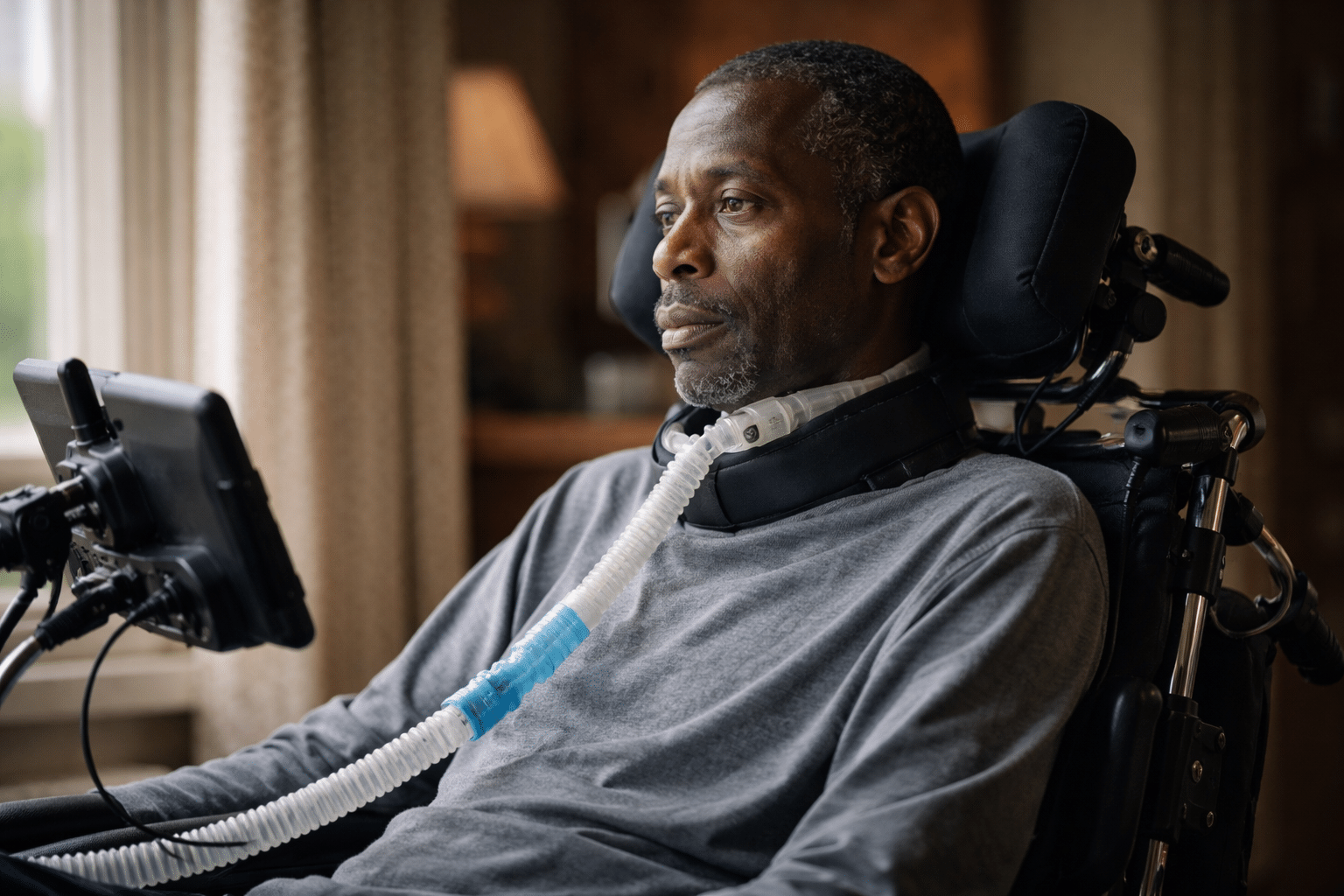
In 2014, the viral social media ice bucket challenge brought unprecedented attention to amyotrophic lateral sclerosis, or ALS. Following the February farewell interview with actor Eric Dane, which aired on Netflix after his death, there has been renewed national awareness of the disease. But what’s often missing from these campaigns is discussions about the racial disparity in diagnosis.
ALS often presents differently in Black patients, who are frequently diagnosed at a younger age with initial muscle weakness in the hands or arms. Yet, despite these early warning signs, Black patients face an average diagnostic delay of 24 months, significantly longer than the delay for white patients.
How can providers and Black patients recognize the symptoms to seek vital treatment earlier?
ALS, or amyotrophic lateral sclerosis, is a progressive neurological disorder that leads to the gradual loss of motor neurons. Losing these nerve cells and this brain-muscle connection impacts a person’s ability to walk, talk, eat, and breathe.
“A person suffering from ALS will show signs of gradual progressive muscle atrophy due to the death of their motor neurons, and eventually become paralyzed,” says Shernell Surratt-Gary, DO, a Clinical Advisor at Aura Recovery. “Many patients with ALS have intact cognition, including memory, personality, and other higher brain functions, while their physical strength continues to decline.”
According to the National ALS Registry, the progressive neurodegenerative disease currently affects approximately 35,000 Americans, around 22,000 of whom are white and almost 2,000 are Black.
“Advanced research has shown that ALS presents differently in African Americans, usually at a younger age and with bulbar progression being much greater than any other race,” Dr. Surratt-Gary explains.
For Black patients, research indicates that ALS symptoms more commonly present as muscle weakness in the hands and arms. Black patients are also more likely to experience pneumonia.
This disparity isn’t just in how ALS presents. “Evidence also shows that Black people have a higher average of periods between showing symptoms and receiving an official diagnosis of disease,” Dr. Surratt-Gary adds.
There are a few reasons for the diagnostic difference between Black and white ALS patients. “This difference is believed to be due to both the variation of genetics causing variation in ALS symptoms and the systemic socio-economic determinants of health, which can affect the ability to get care from ALS specialty units,” says Surratt-Gary.
Because ALS can affect Black patients younger, symptoms may often be dismissed as other common issues for young adults, like work strain, sports injuries, carpal tunnel, and more. These different symptoms may lead to misdiagnoses or delayed referrals.
Also, there are broader systemic factors at play, such as implicit biases in healthcare, the structural inequalities around medical access to specialists, and the knowledge gap around understanding the racial differences of ALS (and symptom disparities in general).
“Receiving a diagnosis earlier than usual provides access to life-extending treatment, so these delays can result in a more rapid perceived progression of the disease within the Black population,” Dr. Surratt-Gary says.
Many signs go unnoticed by patients experiencing the early stages of ALS, such as dropped head syndrome (where neck muscles begin to weaken slightly) or clumsiness.
In rare instances, even emotional lability, where the person has uncontrollable, unexplained laughter or crying, may occur because the nerves responsible for emotional expression are affected.
“Patients may also have fasciculations, which are tiny involuntary twitches that happen in your muscles, and many physicians think these are due to caffeine or stress and do not take them seriously,” Dr. Surratt-Gary says.
For doctors, an initial red flag checklist includes:
Patients with these signs in more than one area (i.e., not isolated to a single arm or leg) should be evaluated by a board-certified neurologist specializing in neuromuscular disorders.
“When considering the possibility of ALS, the best tool a physician can use is the El Escorial Criteria, a standard for determining levels of certainty in diagnosing ALS based on a patient’s clinical presentation,” Dr. Surratt-Gary explains.
The criteria are used to classify the certainty of an ALS diagnosis based on a patient’s history and clinical examinations.
There are four elements of the El Escorial Criteria:
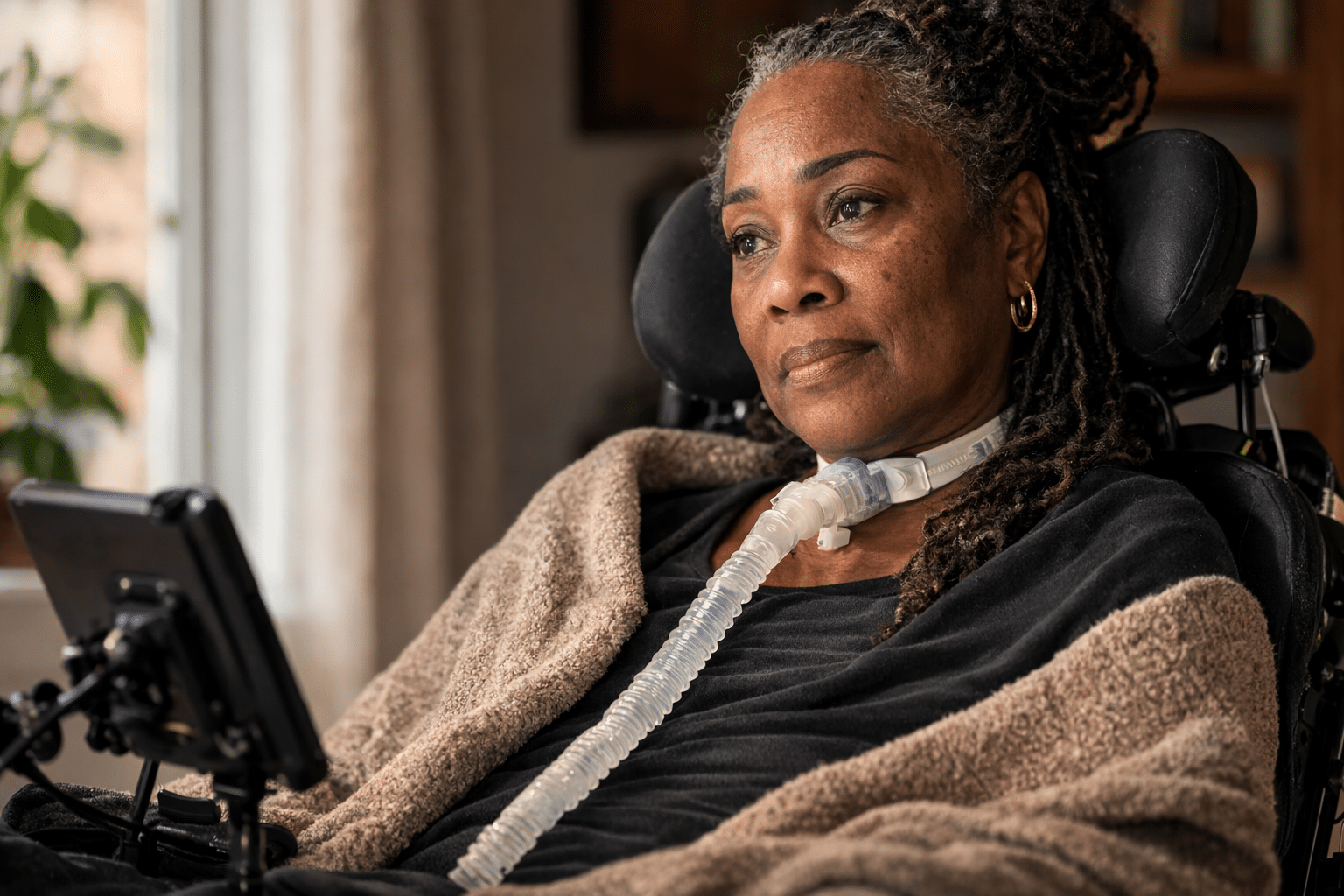
While there is currently no cure for ALS, FDA-approved medications and treatments can slow progression and alleviate symptoms to enhance an individual’s quality of life. Drugs like Riluzole reduce the amount of glutamate (a neurotransmitter in the brain) that, at high concentrations, causes damage to nerve cells. Edaravone has a neuroprotective and antioxidant effect on nerve cells.
There are other ways to extend and enhance the quality of life while living with ALS. Breathing support via ventilation, proper nutrition, and hydration with a feeding tube can offer support.
“Providing supportive multiprofessional care by providing multiple therapies (e.g., occupational therapy, physical therapy, and speech therapy) will also provide a more complete management of an individual’s symptoms while providing continued functional independence for as long as possible,” Dr. Surratt-Gary says.
Overcoming the 24-month diagnosis delay takes work from both patients and doctors. Providers should learn more about how ALS presents in Black patients, take symptoms and patients’ concerns seriously, and refer patients to specialists as early as possible.
By subscribing, you consent to receive emails from BlackDoctor.pro You may unsubscribe at any time. Privacy Policy & Terms of Service.
Are you a healthcare professional? Register with us today!