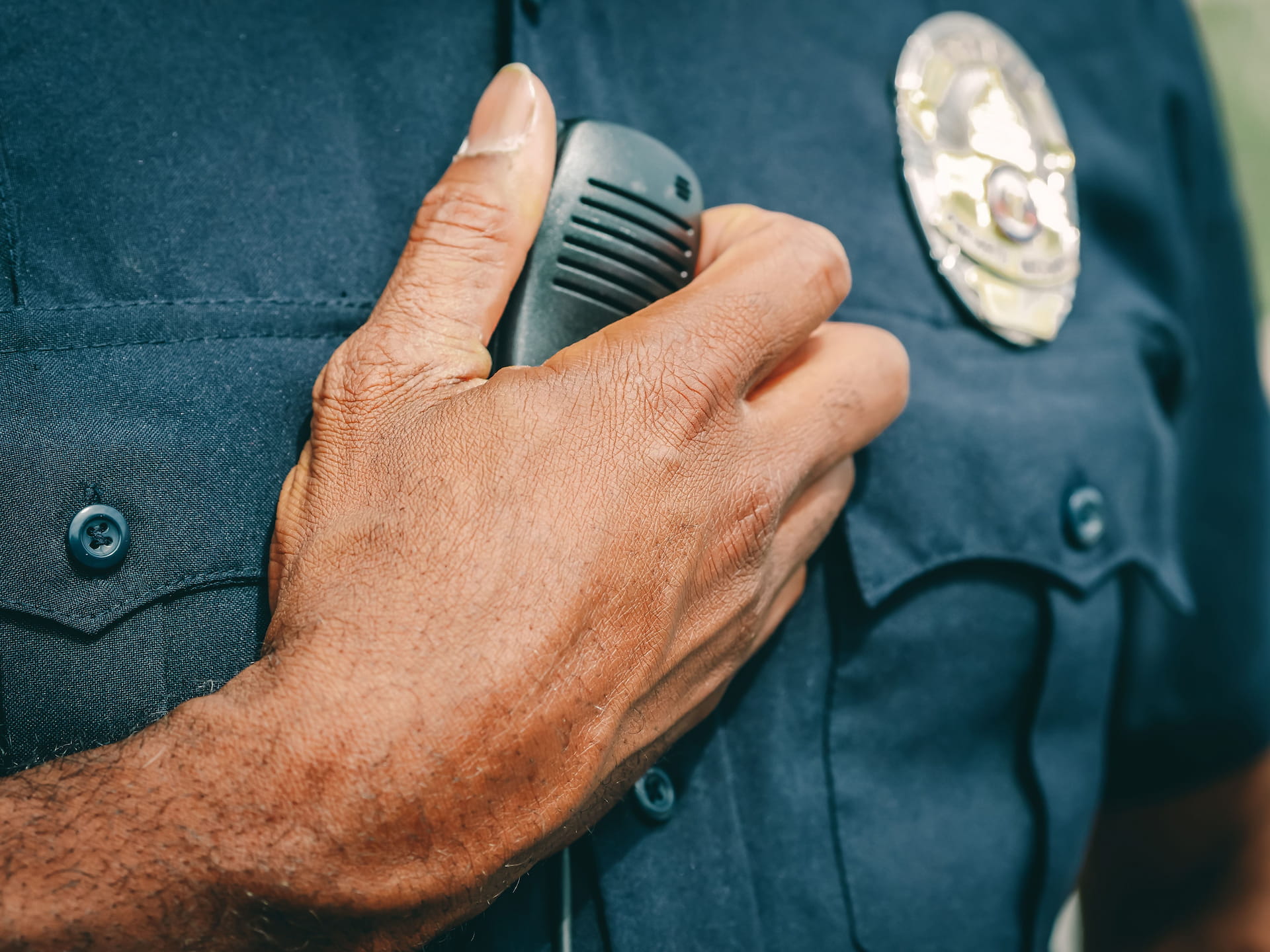
Mental health disparities remain a significant concern among Black and Hispanic communities. Research shows that Black and Hispanic adults in the United States experience lower utilization rates of mental health services and higher rates of unmet mental health needs compared to white adults.
Additionally, encounters with law enforcement – particularly experiences perceived as racially motivated – can be a source of chronic stress and trauma. Race-based trauma linked to racism-based police violence (RPV) has been associated with emotional pain, anger, hypervigilance, intrusive thoughts, and physical reactions.
A new study examines how racism-based police violence affects mental health help-seeking among Black and Hispanic emerging adults and whether psychological distress serves as a key pathway.
Researchers investigated the relationship between racism-based police violence (direct, witnessed, or media-based) and mental health help-seeking. The study focused on Black and Hispanic emerging adults, generally between the ages of 18 and 29. Specifically, the researchers examined whether psychological distress helps explain why exposure to racism-based police violence influences an individual’s likelihood of seeking mental health support from either professional or informal sources.
Researchers analyzed 878 responses from a cross-sectional survey completed between August and October 2023. Participants reported their experiences with lifetime racism-based police violence, everyday discrimination, psychological distress, and three indicators of help-seeking: perceived need for mental healthcare, use of professional services, and reliance on non-professional support networks.
The data from the survey identified two primary findings:
For clinicians, screening for trauma should extend beyond traditional adverse childhood experiences (ACEs) and include exposure to racism, discrimination, and community violence. Mental health symptoms such as anxiety, depression, hypervigilance, or chronic stress may be rooted in experiences that fall outside conventional trauma assessments.
Recognizing racism-based police violence as a potential social determinant of mental health can help providers deliver more culturally responsive and trauma-informed care. Creating opportunities for patients to discuss these experiences may also help identify unmet behavioral health needs.
Structural racism can affect health long before individuals enter the healthcare system. Experiences with racism-based police violence may contribute to psychological distress that influences when, why, and how individuals seek care. Public health strategies aimed at reducing mental health disparities should address both access to culturally competent behavioral health services and the broader social conditions that contribute to psychological harm.
The study highlights how racism-based police violence may contribute to psychological distress among Black and Hispanic emerging adults and influence their mental health help-seeking behaviors. For healthcare providers, understanding these relationships may help improve trauma screening, strengthen patient-provider communication, and support more equitable behavioral healthcare.
By subscribing, you consent to receive emails from BlackDoctor.pro You may unsubscribe at any time. Privacy Policy & Terms of Service.
Are you a healthcare professional? Register with us today!