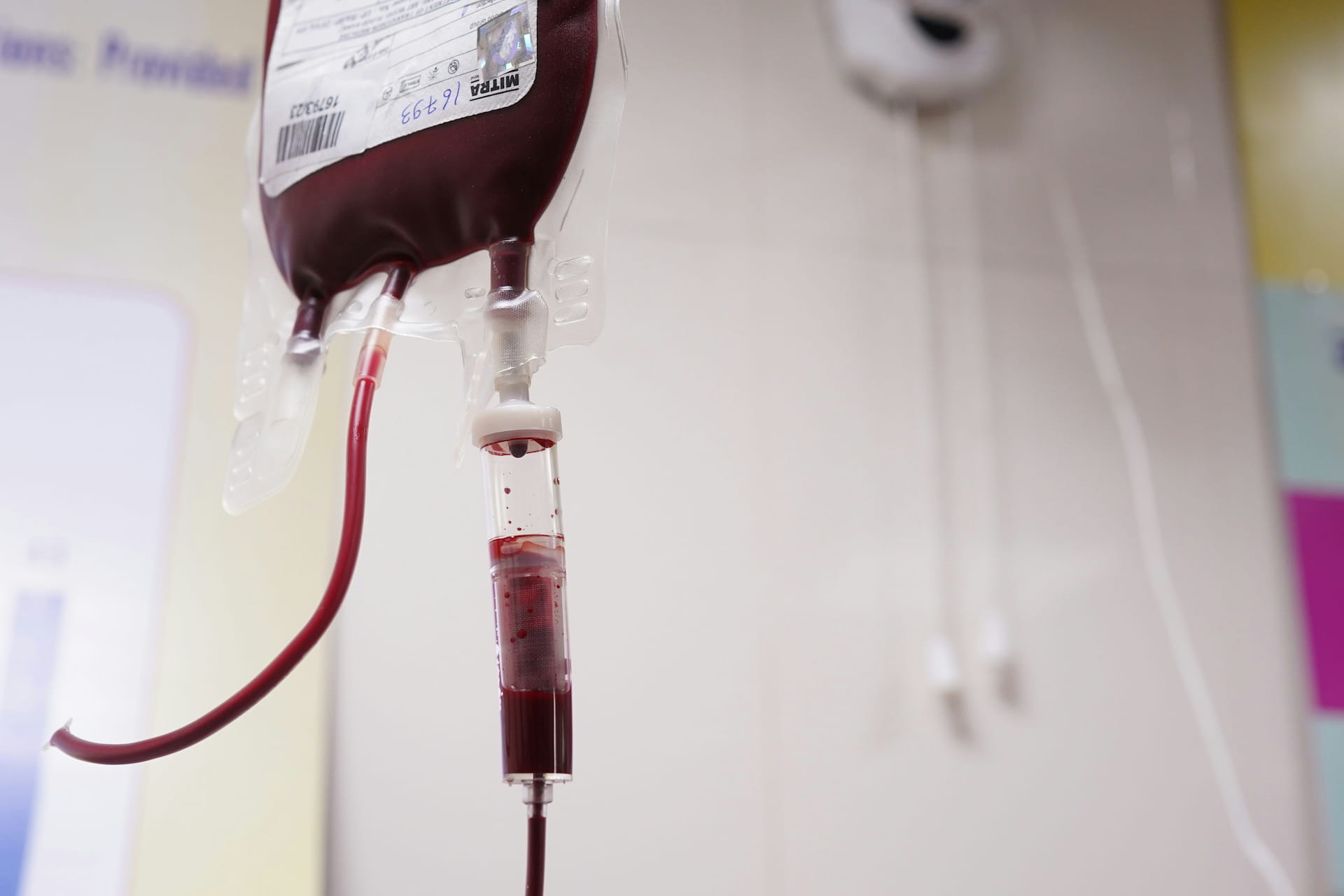
The American Red Cross has declared a national blood supply crisis for only the second time in its history, warning that a drop in donations is threatening the availability of blood nationwide.
The organization, which supplies about 40 percent of the nation’s blood, said donations have fallen to a four-year summer low even as hospital demand rises during the summer trauma season.
Extreme heat, poor air quality and widespread foodborne illness have kept donors away this summer, further straining supplies, the organization said.
As of its July 27 announcement, the Red Cross had less than a one-day national supply of type O positive blood, the most commonly transfused type.
It has begun limiting distributions of type O to hospitals to preserve it for the most critical, life-threatening emergencies.
Type O blood accounts for the majority of Red Cross distributions. Type O positive can be given safely to roughly 80 percent of patients, while type O negative is the universal type relied on when there is no time to determine a patient’s blood type.
However, donations of all blood types are desperately needed.
When hospitals also have adequate supplies of A, B and AB blood, they can more often match patients to their own blood type. This preserves type O for people who truly need it, and for emergencies, the Red Cross said.
The only other national blood crisis came in January 2022 during the COVID pandemic. Since then, the Red Cross said, it has added safeguards, including closer planning with hospitals, which now schedule much of their expected blood needs ahead of time.
Even so, a sustained drop in donations has again pushed the national supply to crisis levels.
“This summer, blood donations simply are not keeping pace with hospital demand, and inventories — especially type O blood — remain under significant strain,” said Chris Hrouda, president of Red Cross Biomedical Services.
“Every donation has the potential to help save lives, and we urgently need everyone who is eligible to make an appointment to give blood as soon as possible,” he added.
The organization is offering incentives, like movie tickets and Amazon gift cards, to boost turnout and says just three more donors at each blood drive this summer could end the crisis and stabilize supplies.
Eligible donors, especially those with type O blood, are urged to schedule an appointment at RedCrossBlood.org as soon as possible, and to keep giving in the weeks ahead to help rebuild supply.
Here are some practical approaches clinicians can take during this national blood supply crisis:

Black patients with sickle cell disease (SCD) often require regular red blood cell transfusions throughout their lives. Patients with SCD frequently benefit from race- or ethnicity-matched blood donors to reduce the risk of alloimmunization.
Because Black donors remain underrepresented in the U.S. blood supply, shortages can disproportionately affect patients who need closely matched blood. Providers can help by educating eligible patients, caregivers, and community members about the importance of blood donation, particularly within Black communities.
Although seasonal blood shortages are not uncommon, the Red Cross’s declaration of a national blood supply crisis underscores the importance of proactive planning. For providers, maintaining communication with transfusion services, following evidence-based blood stewardship practices, and supporting community blood donation efforts can help ensure that patients continue to receive lifesaving care when supplies are limited.
More information
Visit the American Red Cross for more information about donating blood and to schedule an appointment.
SOURCE: American Red Cross, news release, July 27, 2026
By subscribing, you consent to receive emails from BlackDoctor.pro You may unsubscribe at any time. Privacy Policy & Terms of Service.
Are you a healthcare professional? Register with us today!