
Hidradenitis suppurativa (HS) is a chronic, progressive inflammatory skin disease characterized by recurrent painful nodules, abscesses, draining sinus tracts, and scarring that can significantly impair quality of life. HS affects approximately 1-4 percent of people in the United States. HS in Black patients is disproportionately common — up to three times more prevalent than in white Americans — yet Black patients often face delayed diagnosis and treatment.
Delayed recognition of HS can contribute to disease progression, chronic pain, scarring, and a lower quality of life for patients. Understanding how HS presents in Black patients can help providers identify the disease earlier and improve outcomes.
Research consistently shows that Black patients have higher rates of HS. While the reasons are not fully understood, researchers believe a combination of genetic susceptibility, social determinants of health, delayed diagnosis, and barriers to specialty care likely contribute to these disparities.
Black Americans are nearly three times more likely to develop moderate-to-severe disease, more extensive lesions, scarring, and chronic inflammation than many other racial and ethnic groups. Ultimately, a higher disease severity can require more emergency room visits, hospital stays, and surgeries, which Black patients are more likely to endure.
Research also shows that Black patients face longer diagnostic delays and have less access to specialized dermatology care than white patients, which further contributes to the poorer outcomes they experience while managing the chronic skin condition.
Dealing with these challenges throughout their care journey can not only take a physical toll on a Black patient’s health, but can be an emotional and economic burden.
It can take approximately five years from symptom onset for many Black patients with HS to see a dermatologist, underscoring the need for better access to specialty care and earlier identification of the inflammatory skin disease.
Several factors contribute to a missed or delayed HS diagnosis for Black patients:
HS symptoms can present as single, painful lumps, pimples, or boils in sensitive areas, such as the armpits or groin. Because of this, it is often dismissed by both patients and clinicians as simply acne, folliculitis, ingrown hairs, or general bacterial infections.
Since HS can cause painful, draining lumps in sweat-producing areas, clinicians have historically — and incorrectly — associated the condition with poor hygiene. This misconception can leave many patients feeling dismissed and stigmatized, preventing them from returning to care for a proper diagnosis.
HS typically starts after puberty, so many patients may first see a primary care provider or gynecologist. Because the skin condition is not something they typically treat, they may recommend temporary fixes rather than recognizing the broader, chronic pattern of the disease.
Patient embarrassment can also lead to delayed diagnosis and treatment for HS. Because lesions often appear in sensitive areas, some patients may feel deep shame about their symptoms, delaying initial visits to a provider for a proper medical evaluation.
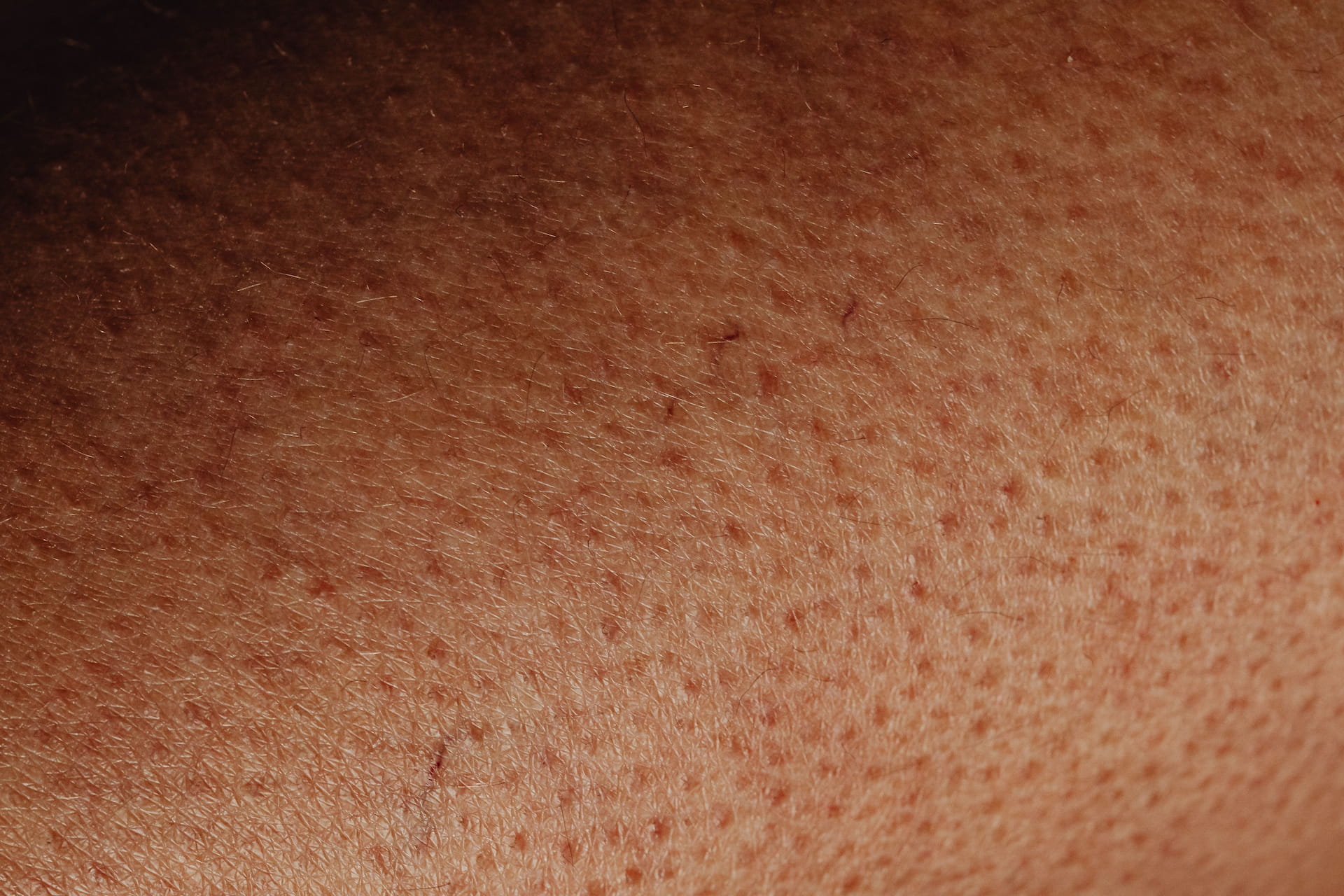
The chronic skin disease can appear as purple, gray, or even skin-matching bumps on darker skin tones. Most medical textbooks depict HS on lighter skin, where the condition often presents as red bumps. Additionally, darker skin produces more pigment when injured, which can hide swelling and tunnels beneath the skin.
Post-inflammatory hyperpigmentation may also obscure active inflammation, while longstanding disease can present with dyspigmentation and dense scarring rather than obvious erythema (skin reddening). Clinicians should avoid relying solely on redness when evaluating disease severity in patients with darker skin tones.
Because HS is a progressive disease, it can take time for more obvious symptoms — such as skin tunneling or thick scarring — to make it undeniably recognizable to clinicians.
Earlier detection of HS symptoms is critical to improving outcomes for Black patients, and it must begin at the initial visit.
During the initial evaluation, clinicians should assess symptom chronicity, lesion distribution in areas where there’s skin-to-skin friction, the presence of sinus tracts or scarring, family history, and contributing risk factors such as smoking or obesity.
Asking practical screening questions can also help gather pertinent information about the patient’s HS experience:
Primary care providers, OB-GYNs, and dermatologists aren’t the only clinicians who may encounter undiagnosed HS. Emergency care physicians, urgent care clinicians, pediatricians, and surgeons may detect painful lesions, so they should know the warning signs and direct timely referrals to dermatology care. Early referrals can help patients access advanced therapies before irreversible scarring and sinus tract formation occur.
Even after diagnosis, HS in Black patients is often complicated by barriers that limit timely access to comprehensive care.
These include:
Chronic pain, work absences, and social isolation often compound the psychological burden of HS and should be addressed during routine visits.
When caring for Black patients with HS, clinicians must incorporate shared decision-making. Make sure the patient is involved in every step of the treatment journey — from diagnosis to chronic disease management. Because HS is often seen as an “embarrassing” condition, validating the patient’s symptoms and experiences can make them feel more comfortable throughout the care journey.
HS treatment may require a multidisciplinary approach to manage the condition, which can include a primary care provider, dermatologist, surgeon, pain specialist, and mental health professional. Black HS patients can benefit from a customized treatment plan that can help them manage the physical and emotional effects of the condition.
Black patients with HS have persistently dealt with significant disparities that are directly linked to quality of care. For clinicians, it’s critical to reassess how evaluations are performed to ensure better care delivery and outcomes.
Improving outcomes for HS in Black patients requires clinicians to recognize the disease early, reduce diagnostic delays, and provide equitable access to evidence-based treatment.
Practical strategies include:

HS is not just a recurring skin condition — it’s a chronic inflammatory disease that requires early detection and a multidisciplinary approach to symptom management. Earlier recognition, culturally responsive communication, and timely referral can help reduce preventable disease progression and improve quality of life for Black patients living with HS.
By subscribing, you consent to receive emails from BlackDoctor.pro You may unsubscribe at any time. Privacy Policy & Terms of Service.

Are you a healthcare professional? Register with us today!