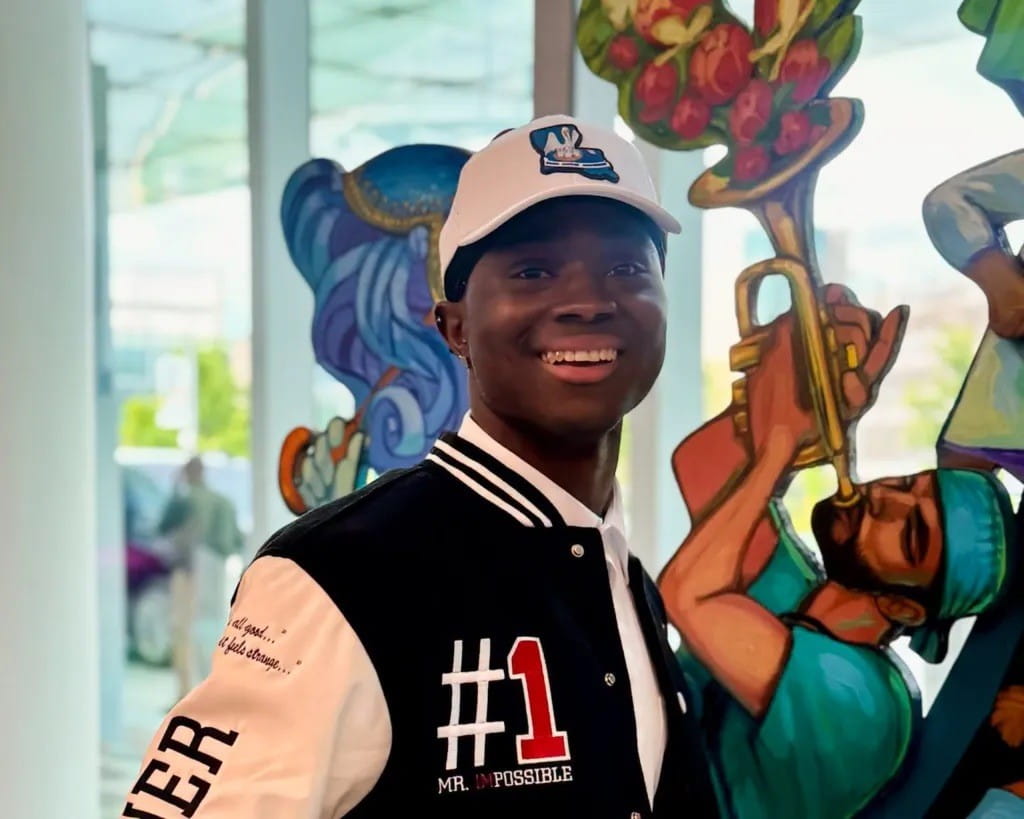
For 23 years, Daniel Cressy lived with the relentless pain of sickle cell disease. Frequent pain crises sent him to the hospital as many as a dozen times a year, disrupting what should have been the most carefree years of his life. He also carried a lingering fear: that the disease would keep him from achieving his dream of becoming a pilot.
This summer, Cressy celebrated what once seemed impossible. He was declared free of sickle cell disease after undergoing gene therapy — the first patient in Louisiana and the first in the South to reach that milestone.
His treatment took place at Manning Family Children’s Hospital in New Orleans using Casgevy, the first FDA-approved CRISPR-based gene therapy for sickle cell disease.
Casgevy works by collecting a patient’s own blood-forming stem cells and using CRISPR gene-editing technology to modify them so they produce healthy hemoglobin instead of the abnormal hemoglobin that causes red blood cells to sickle. After the patient undergoes chemotherapy to clear space in the bone marrow, the edited cells are infused back into the body, where they can establish a healthy blood supply.
Because the therapy uses the patient’s own cells, it eliminates the need for a matched bone marrow donor, a major barrier for many people with sickle cell disease.
Following months of recovery, Cressy’s medical team reports that his sickle cell disease is no longer active. His hemoglobin levels are the highest they’ve ever been, allowing him to focus on his long-held goal of becoming a commercial pilot and expanding a nonprofit that supports aspiring pilots with chronic health conditions.
While stories like Cressy’s represent a remarkable scientific breakthrough, experts caution that gene therapy is still in its early stages of adoption.
“Our patients and families living with a diagnosis of sickle cell anemia have shown great interest in the new gene therapies approved by the FDA,” said Chancellor Donald, MD, assistant professor at Tulane University School of Medicine and an American Society of Hematology media spokesman.
That enthusiasm reflects the possibility of something many families have never had before: a treatment that could dramatically reduce — or potentially eliminate — the painful complications that define life with sickle cell disease.
Still, Dr. Donald notes that access remains limited.
“While gene therapy is a promising possibility for some of our patients with sickle cell anemia, its use is not yet widespread,” he said. “Each state and its institutions would require the expertise and resources to vet and ultimately treat candidates for gene therapy.”
The treatment is also among the most complex therapies currently available. Patients undergo extensive testing, stem cell collection, chemotherapy, and months of follow-up care, which means only specialized centers currently offer it. Insurance approval can also be a lengthy process because of the therapy’s complexity and cost. Cressy himself spent months navigating insurance before receiving treatment.
As with many groundbreaking medical advances, some patients hesitate to consider gene therapy, but Dr. Donald said the response has largely been optimistic.
“Although there is sure to be hesitancy from any group with varied diagnoses for a novel therapy, the overall sentiments expressed have been curiosity and hopefulness,” he said.
For physicians, that means helping patients understand both the promise and the limitations of the treatment.
Donald encourages clinicians to continue providing comprehensive sickle cell care while directing families to trusted educational resources about gene therapy. For patients who may qualify, he says physicians should also facilitate consultations with specialized centers that perform the procedure.
“Provider teams can point patients and their families to trusted resources for accurate information regarding gene therapy,” Dr. Donald said. “Lastly, if the patient is preliminarily felt to be a potential candidate, consultations can be facilitated with institutions performing gene therapy.”
For people living with sickle cell disease, Cressy’s story represents more than one patient’s success — it offers a glimpse of what may become possible as gene-editing therapies become more accessible. Experts say widespread adoption will likely take time, but each successful case moves the field one step closer to making these potentially life-changing treatments available to more patients.
By subscribing, you consent to receive emails from BlackDoctor.pro You may unsubscribe at any time. Privacy Policy & Terms of Service.
Are you a healthcare professional? Register with us today!